



The debate over the Carnivore Diet and heart health is intense. Some say it boosts energy and fixes health problems. Others worry about the lack of plant-based foods. This has led to many Carnivore Diet Heart Health Myths, which hide the real Heart Health Facts Carnivore Diet supporters share.
New studies have challenged old beliefs. They show eating unprocessed red meat doesn’t directly cause heart disease. This makes us rethink the link between saturated fats and heart health. With our ancestors eating mostly meat, it’s time to look at the truth about the Carnivore Diet and heart health.
Are you ready to question what you thought you knew about meat in your diet? Let’s explore the science behind the Carnivore Diet Heart Health story. We’ll look at how red meat affects heart health and a diet that could change your health for the better.
Understanding the Carnivore Diet
The Carnivore Diet is also known as Meat-Based Diet Heart Health, Zero Carb Diet and Heart, or Keto Carnivore Heart Health. It’s a unique way of eating that focuses on animal foods like red meat, seafood, organ meats, and full-fat dairy. It cuts out carbs from fruits, vegetables, grains, and legumes.

This zero-carb diet believes that animal products are packed with nutrients that are easy for our bodies to use. It helps with weight control, mental focus, and can ease joint pain. It’s also seen as good for Keto Carnivore Heart Health because of its nutrient-rich foods.
Way back in the early 1900s, studies showed that the Inuit ate mainly marine and land animals and were healthy. Today, people are looking at the Carnivore Diet again, sparking talks about Meat-Based Diet Heart Health. The debate between plant-based and meat-based diets is ongoing. Yet, knowing what the Carnivore Diet is about is key for those thinking of trying it for health reasons.
Debunking Carnivore Diet and Heart Disease Myths
The Carnivore Diet has faced criticism for its high red meat intake and its link to heart disease. But new studies show we need to look closer at the “Carnivore Diet Heart Disease” connection. These studies are questioning the old beliefs about how this diet affects heart health.
A study in the Journal of the American College of Cardiology in 2020 found no direct link between unprocessed red meat and heart disease. This study suggests we might rethink the role of saturated fats in our diets.
Looking at Carnivico Diet Cardiovascular Health, replacing saturated fats with carbs or PUFAs didn’t lower heart disease risk. In fact, eating more processed foods and sugars, along with PUFAs from seed oils, might increase heart health risks.
So, when considering a Healthy Heart Carnivore Diet, we should rely on solid evidence, not old dietary myths. Updating our dietary advice could lead to better heart health strategies.
As we continue to unravel the intricate relationships between diet and heart health, the Carnivore Diet provides a unique perspective worth scientific investigation and public discourse.
Impact of the Carnivore Diet on Blood Lipids and Cholesterol Levels
The debate on Carnivore Diet Cholesterol levels is filled with different views and studies. Some say the diet, made only of animal products, raises cholesterol because of its high saturated fat. But new studies suggest we might look at it differently, especially for Heart Health Benefits of Carnivore Diet.
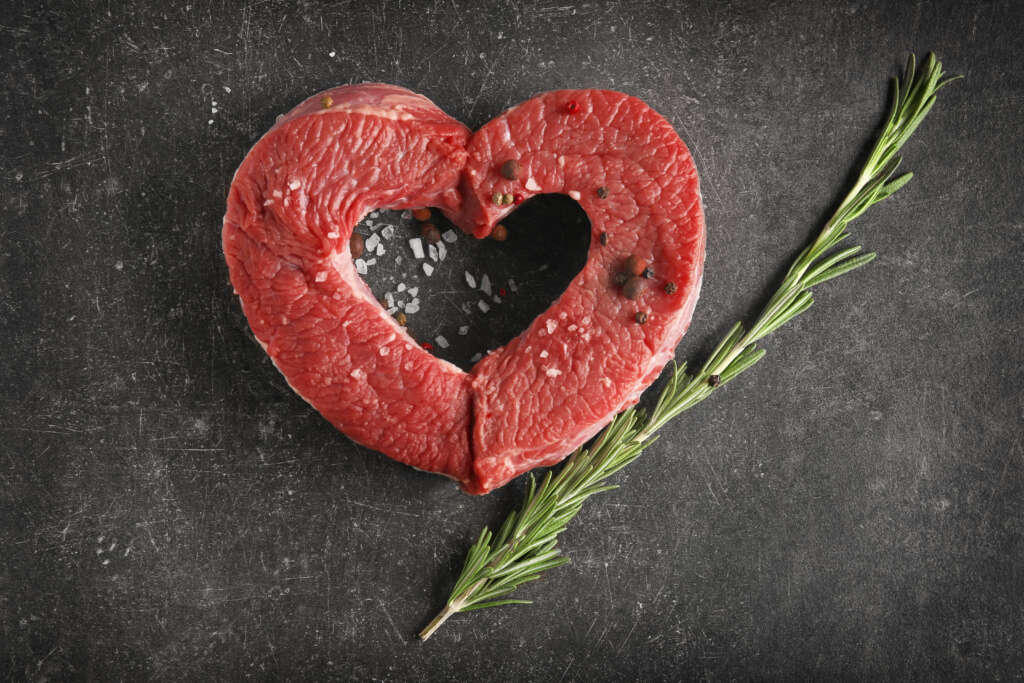
This diet is very simple, with no carbs and only protein and fat from animals. This big change changes how our bodies handle fats, which might affect cholesterol levels differently than expected.
Old beliefs say saturated fats are bad for the heart. But now, studies show a more complex link between saturated fats and heart health. We need to look at the quality of fats and how they fit into our diet. The Carnivore Diet Cholesterol debate makes us think about the type of saturated fats from animal sources.
Supporters of the diet point out that some people saw better LDL (“bad”) and HDL (“good”) cholesterol ratios on this diet. Personal stories and early studies suggest a new way to understand how this diet affects us.
But, it’s crucial to follow this diet with a doctor’s help, as it changes how we eat a lot. The effects on cholesterol and heart health can be different for everyone. This shows we need a tailored approach to diet choices.
Carnivore Diet Heart Health: Nutritional Considerations
The Carnivore Diet Heart Health focus is on the nutrients found in animal foods. These foods are full of vitamins and minerals not found in plant-based diets. Organ meats are especially rich in nutrients like vitamin B12, heme iron, and omega-3 fatty acids. These are key for a healthy heart.
Many think the Carnivore Diet Cardiovascular Health benefits are not real. But, the nutrients in meat are easy for the body to use. This is different from plant-based foods, which are harder for the body to absorb.
It’s time to rethink old beliefs about meat and heart health. Organ meats and other parts of the carnivore diet are packed with nutrients. This shows we need a new look at how diet affects heart health.
Today, we know that the quality and how well our bodies use nutrients matter a lot. This new view makes us rethink how diets high in animal products can help with carnivore diet cardiovascular health.
Myths Surrounding Red Meat Intake and Cardiovascular Risk
The debate over red meat and heart health has many wrong ideas. Studies have shown that eating red meat doesn’t directly cause heart disease. In fact, a Keto Carnivore Heart Health lifestyle might even help reduce heart risks.
In some Asian countries, people eat a lot of red meat but have lower health risks, like less cancer. This shows that red meat isn’t always bad. It’s how you eat it that matters. Adding red meat to a Healthy Heart Carnivore Diet can actually be good for your heart.
This new view helps clear up wrong ideas about the Keto Carnivore diet and heart health. It shows the key is how you mix red meat with other foods. Understanding this helps us make better food choices for our hearts.
Carnivore Diet Heart Health: An Ancestral Perspective
Looking at Carnivore Diet Heart Health through history gives us new insights. The Inuit people ate mostly animal products and stayed healthy. This shows how a diet rich in meat can help prevent modern health problems.
People who try the Carnivore Diet often feel better, including their heart health. They also notice better mental focus and stronger immune systems. This suggests the diet can improve overall health.
While clinical studies are scarce, the narrative of improved vitality and health through a return to an ancestral eating pattern persists, drawing many to reconsider modern dietary norms.
Even though research is still growing, there’s a strong case for the Carnivore Diet Heart Health benefits. This diet, simple and primal, might be the key to better health that modern diets miss.
Adoptable a Meat-Based Diet: Safety and Sustainability
Looking into a carnivore diet, environmental impact and health safety are key topics. Supporters of this diet face questions about its long-term health effects and its effect on the environment. New studies show that eating organ meats is crucial to avoid nutritional gaps from eating too much meat. Also, there’s a push for a sustainable meat-based diet, focusing on farming that’s good for the planet.
Environmental worries about the carnivore diet have changed with new research. Studies now suggest that animal farming’s impact on methane emissions might not be as bad as thought. This is when comparing it to fossil fuel emissions. To help the environment, people eating a lot of meat are advised to choose meat from farms that use regenerative farming. This kind of farming helps soil, increases plant and animal life, and cuts down on carbon emissions. It helps lessen the carnivore diet environmental impact.
Research has looked into how a meat-based diet affects health, especially for those with obesity or type 2 diabetes. Studies show it’s important to balance nutrition when eating a lot of meat. To make sure a meat diet is safe and works, people should watch their health and think about the planet. They should follow the latest science and think about sustainability.